

How Tunnel Linings Are Reinforced with Aggregates for Extreme Winter Conditions
January 6, 2026
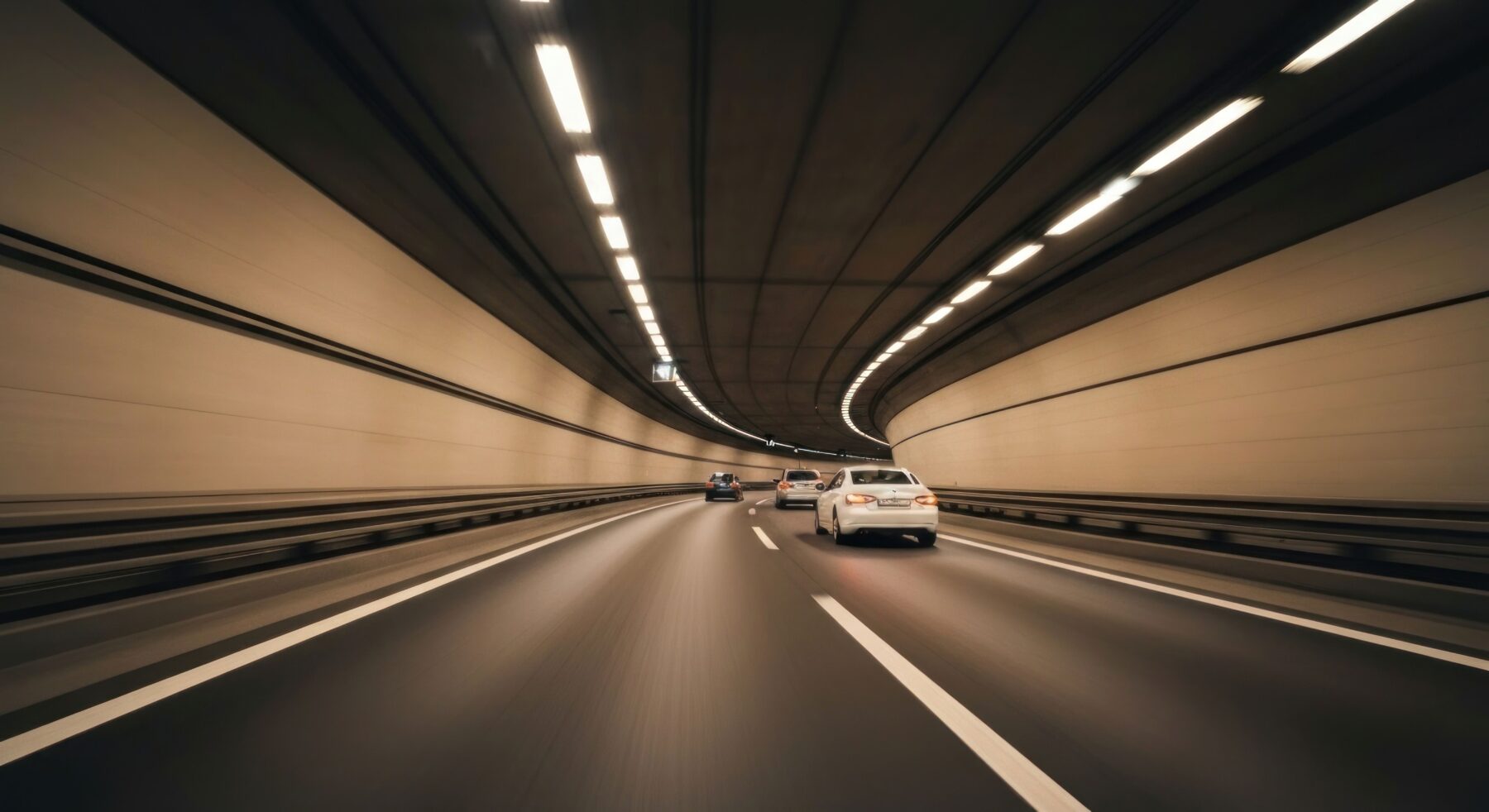
Tunnel infrastructure in cold climate regions operates under constant pressure, where temperature shifts, moisture exposure, and sustained load converge below the surface. Unlike exposed structures, tunnel linings must perform without visual cues that signal early material fatigue, placing added weight on upfront material decisions. Aggregates form the internal framework of concrete linings, shaping how these systems respond to extreme winter conditions over decades of service. When specified and integrated with intent, aggregate selection becomes a central factor in tunnel reliability.
Designing Aggregate Blends for Winter-Resilient Tunnel Linings
Concrete mixes used for tunnel linings are engineered to deliver density, strength, and controlled movement under cold conditions. Aggregate blends are developed to pack tightly, limiting internal voids and restricting pathways for water migration. This compact structure reduces the volume of free moisture that can freeze within the lining, directly influencing crack resistance during temperature swings. Gradation is refined so particles interlock efficiently while still allowing cement paste to fully coat each size fraction.
Material uniformity becomes especially important when tunnel construction progresses in stages or spans long alignments. Consistent aggregate properties support predictable batching and placement, even when work occurs during colder seasonal windows. That consistency ensures the lining performs as a continuous system, maintaining uniform behavior through winter exposure rather than reacting unevenly along the tunnel length.
Controlling Freeze Thaw Movement Through Material Selection
Freeze thaw cycles introduce internal pressure as trapped moisture expands and contracts. Aggregates selected for tunnel linings are chosen for low absorption characteristics, limiting how much water enters the concrete matrix from the start. Dense stone reduces moisture retention, lowering the likelihood of micro cracking as temperatures move above and below freezing. This approach addresses freeze thaw stress at the material level rather than relying on surface remedies after damage develops.
Gradation further refines this protection by minimizing capillary channels within the concrete. Balanced aggregate blends reduce interconnected voids where water could accumulate and migrate. Over repeated winter cycles, this internal structure helps the lining retain cohesion, preserving both surface condition and structural performance.
Reinforcing Structural Capacity Under Frozen Ground Loads
Winter conditions often stiffen surrounding soils and rock, increasing lateral pressures on tunnel linings. Aggregates supply the compressive strength needed to manage these elevated loads by forming the load bearing skeleton within the concrete. Coarse particles distribute forces evenly around the tunnel profile, reducing localized stress concentrations that can emerge under frozen ground conditions.
Particle shape also influences how the lining responds to seasonal contraction. Angular aggregates interlock more effectively, increasing internal friction and resistance to movement. This interlock allows the lining to absorb thermal shifts without compromising alignment, particularly in tunnels located in shallow cover or variable subsurface conditions.
Managing Moisture Exposure in Subsurface Winter Environments
Groundwater interaction is a constant consideration in tunnel construction, and winter amplifies the impact of moisture exposure. Aggregates used in tunnel linings must maintain physical stability and resist chemical interaction when subjected to prolonged contact with water. Durable stone preserves its structure through temperature fluctuations, protecting the surrounding cement paste from accelerated wear.
Air entrainment strategies are often coordinated with aggregate selection to strengthen winter durability. Aggregates compatible with air entrained mixes support evenly distributed micro air voids within the concrete. These voids relieve internal pressure during freezing events, helping the lining maintain surface integrity and internal continuity across harsh winter cycles.
Supporting Cold Weather Placement and Curing
Aggregate performance influences constructability during winter pours as much as long term durability. Materials are handled and stored to prevent ice contamination that could disrupt mix proportions or placement quality. Clean, conditioned aggregates allow batching operations to remain consistent, supporting uniform placement even as ambient temperatures drop.
Once placed, aggregates affect how the concrete retains heat during curing. Their mass moderates temperature loss generated by hydration, slowing cooling in cold environments. This controlled thermal behavior reduces early age cracking and supports strength development that aligns with design specifications.
Reinforcing tunnel linings with aggregates engineered for winter exposure creates systems that remain stable under moisture, temperature fluctuation, and sustained load. From mix design through placement and long term operation, aggregates shape how tunnel infrastructure performs beneath challenging seasonal conditions. In cold climate construction, these materials define how tunnel linings endure winter from initial placement through continuous service.