

Creating a Multi-Level Gravel Garden with Natural Stone Terracing
March 2, 2026
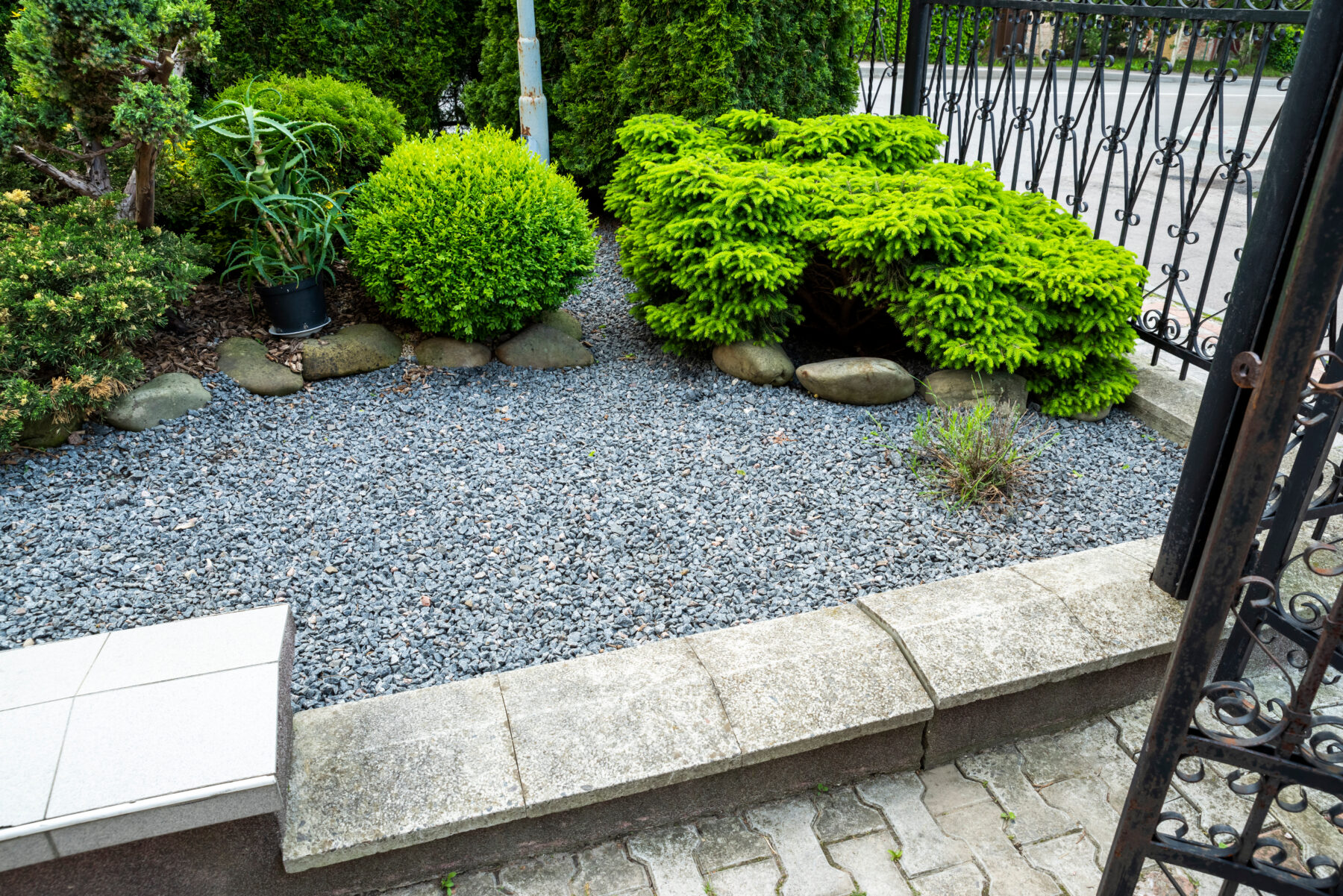
Sloped terrain places continuous pressure on soil and challenges how water moves across a landscape. A multi-level gravel garden supported by natural stone terracing converts that slope into defined structure, guiding drainage, stabilizing grade, and creating usable tiers that hold their form through seasonal shifts. With properly compacted aggregates and tightly set stone, elevation becomes an engineered feature that reinforces both appearance and ground stability.
Excavation and base preparation determine how well each tier carries load from the start. Cutting into the slope to form a level trench establishes bearing support for the first course of stone. A compacted layer of crushed stone beneath that course creates internal interlock, distributing weight across the footprint and limiting settlement as additional tiers rise above.
Setting the First Course for Structural Control
Lateral soil pressure builds immediately once backfill is placed behind a retaining wall. Natural stone selected for terracing should carry enough mass and irregular surface texture to create friction between units. Positioning each course with a slight setback into the slope directs vertical load inward, countering outward force from saturated soils during heavy rainfall.
Behind the stone face, clean, angular gravel forms a drainage corridor that moves water away from the wall. Rapid drainage reduces hydrostatic buildup that can displace stone during freeze-thaw cycles. As additional levels are installed, consistent joint spacing and tight stone-to-stone contact maintain alignment across the full height of the terrace system.
Layering Gravel for Surface Stability
Particle shape and gradation influence how each terrace performs under foot traffic and weather exposure. Angular gravel with mixed sizes compacts into a dense matrix, creating a firm walking surface that resists shifting. Rounded decorative stone fits best in planting areas or visual accents where minimal movement occurs.
Installation should begin with a compacted sub-base of crushed stone, followed by a finer top layer that locks into the base below. This layered approach transfers load downward while preserving surface integrity. Coordinating gravel tones with the natural stone reinforces visual continuity across each elevation change.
Directing Water Across Multiple Levels
Slope naturally accelerates runoff unless it is intentionally controlled. Each terrace surface should carry a subtle pitch away from structures and toward planned drainage paths. Perforated drain tile installed at the base of retaining walls collects subsurface water and channels it to designated discharge points.
Open-graded gravel behind and beneath each tier allows water to pass freely through the system. This internal movement reduces surface erosion and limits soil displacement at lower levels. When grading and aggregate selection work together, the garden maintains defined edges and stable transitions even during sustained rainfall.
Integrating Planting Areas Without Compromising Structure
Stepped terraces create contained planting zones that remain supported on all sides. Soil placed behind each stone course benefits from the surrounding aggregate, which maintains airflow and encourages excess moisture to move downward instead of pooling at the surface. This interaction between soil and gravel limits migration while keeping each tier visually crisp.
Separation between gravel walkways and planting beds should be reinforced with stone edging or steel borders. Clear boundaries prevent aggregate from spreading into root zones and preserve the clean lines established during installation. The structural materials continue to define the space long after planting is complete.
Bringing the System Together
A multi-level gravel garden built with natural stone terracing transforms slope into controlled elevation and unmanaged runoff into directed flow. Compacted crushed stone bases distribute load, angular backfill relieves wall pressure, and properly graded surfaces maintain stable walking areas across every tier. Each component contributes to a unified system that holds grade and alignment under seasonal moisture and temperature changes.
Selecting the appropriate crushed stone base material, drainage gravel, and surface aggregate determines how well the terraces perform under real site conditions. Working with a supplier who understands gradation, compaction requirements, and stone selection keeps the project grounded in material behavior rather than appearance alone. With the right aggregates and disciplined installation, multi-level gravel gardens deliver defined structure, controlled drainage, and lasting visual impact.