

How to Use Sand and Gravel for Safer Winter Walkways
September 2, 2025
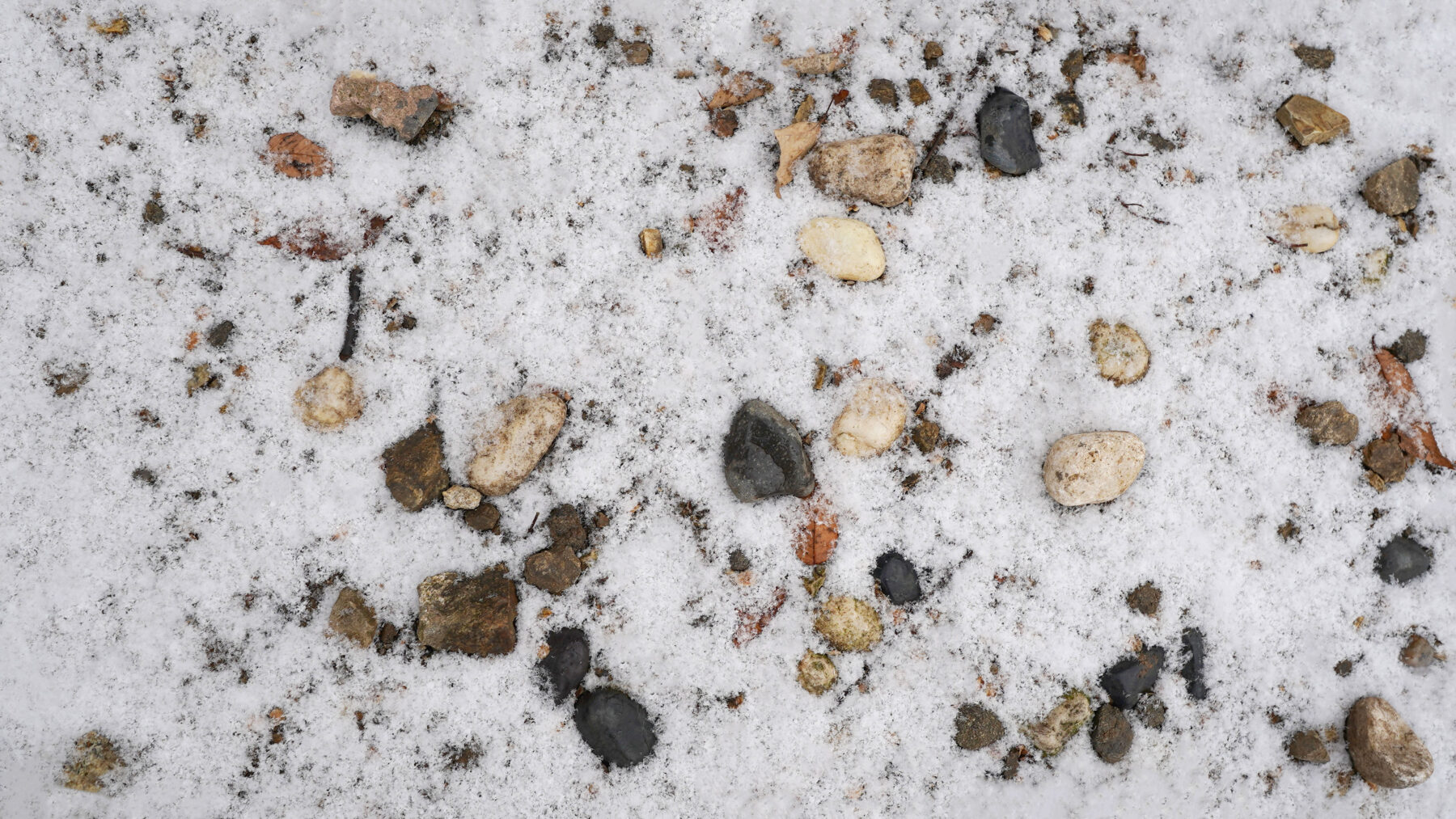
Winter brings a unique set of challenges for property owners and facility managers. Ice, snow, and freezing temperatures create conditions where walkways become slippery and hazardous. While chemical de-icers are often used, sand and gravel remain reliable, natural solutions that enhance traction and improve safety. Their performance is immediate, their application is straightforward, and their role in reducing accidents on icy paths is indispensable.
Sand for Improved Traction
Sand has long been valued as a go-to material for icy walkways. Its fine particles spread evenly across surfaces, creating an abrasive layer that helps create traction in place of lose footing. Unlike salts or other chemicals, sand doesn’t need time to activate. The moment it hits an icy patch, it begins working to increase friction.
Applying sand along steps, entryways, and high-traffic areas ensures that the most vulnerable spots receive added protection. For best results, a thin, even layer should be applied so that it embeds into the ice surface rather than piling up in loose mounds. Because sand can eventually become displaced, reapplication after heavy use or snowfall keeps the safety benefits consistent.
Gravel as a Long-Lasting Solution
Gravel, particularly small angular grades, adds another layer of winter protection. Where sand offers quick traction, gravel provides durability. Its coarse texture locks into place over icy surfaces and stays put even under repeated foot traffic. This makes it especially useful for longer walkways, driveways, or areas where reapplying materials multiple times a day isn’t practical.
The choice of gravel size plays a role in effectiveness. Pea gravel or other smaller aggregates work well for footpaths, while slightly larger crushed stone is suitable for driveways or service roads where vehicles are involved. In both cases, the natural interlock between stones ensures a dependable surface that resists being transplanted.
Combining Sand and Gravel for Greater Effect
Many property owners find that using sand and gravel together creates the most reliable winter walkway surface. The sand fills in gaps and delivers immediate traction, while gravel creates a surface foundation to extend performance over time. This combination helps maintain traction even as temperatures fluctuate and snow continues to accumulate.
A blended approach is also cost-efficient. Less sand is needed because the gravel provides stability, and less gravel is required because the sand delivers instant traction. Together, they create a surface that reduces slips and falls, limits maintenance needs, and withstands the demands of both pedestrian and vehicle use.
Preparing Walkways Before Storms
One of the most effective strategies is to apply sand and gravel before a snowstorm hits. A pre-treated surface prevents snow and ice from bonding tightly to pavement, which makes shoveling and plowing easier once the storm passes. It also ensures that walkways remain safer for anyone needing to access the property during winter weather events.
Even after plowing or shoveling, reapplying a fresh layer of sand or gravel restores traction and keeps the surface usable. Establishing a routine for maintenance checks in high-traffic spots, stairs, and entrances throughout the day, all of which goes a long way in keeping walkways safe.
Natural Materials for Safer Surfaces
Sand and gravel not only deliver safety but also offer an environmentally responsible alternative to heavy salt use. They do not corrode concrete or asphalt in the same way, nor do they carry the same risk of harming vegetation. When collected and managed properly after the season, they can even be reused.
Using sand and gravel during the winter season transforms walkways into surfaces that are dependable and secure. These natural materials not only reduce the risks that come with ice and snow but also make day-to-day upkeep more manageable. With consistent traction and reliable performance, they provide a straightforward way to keep outdoor areas accessible throughout the coldest months.