

The Hidden Role of Aggregates in Creating Sustainable Urban Landscapes
October 1, 2025
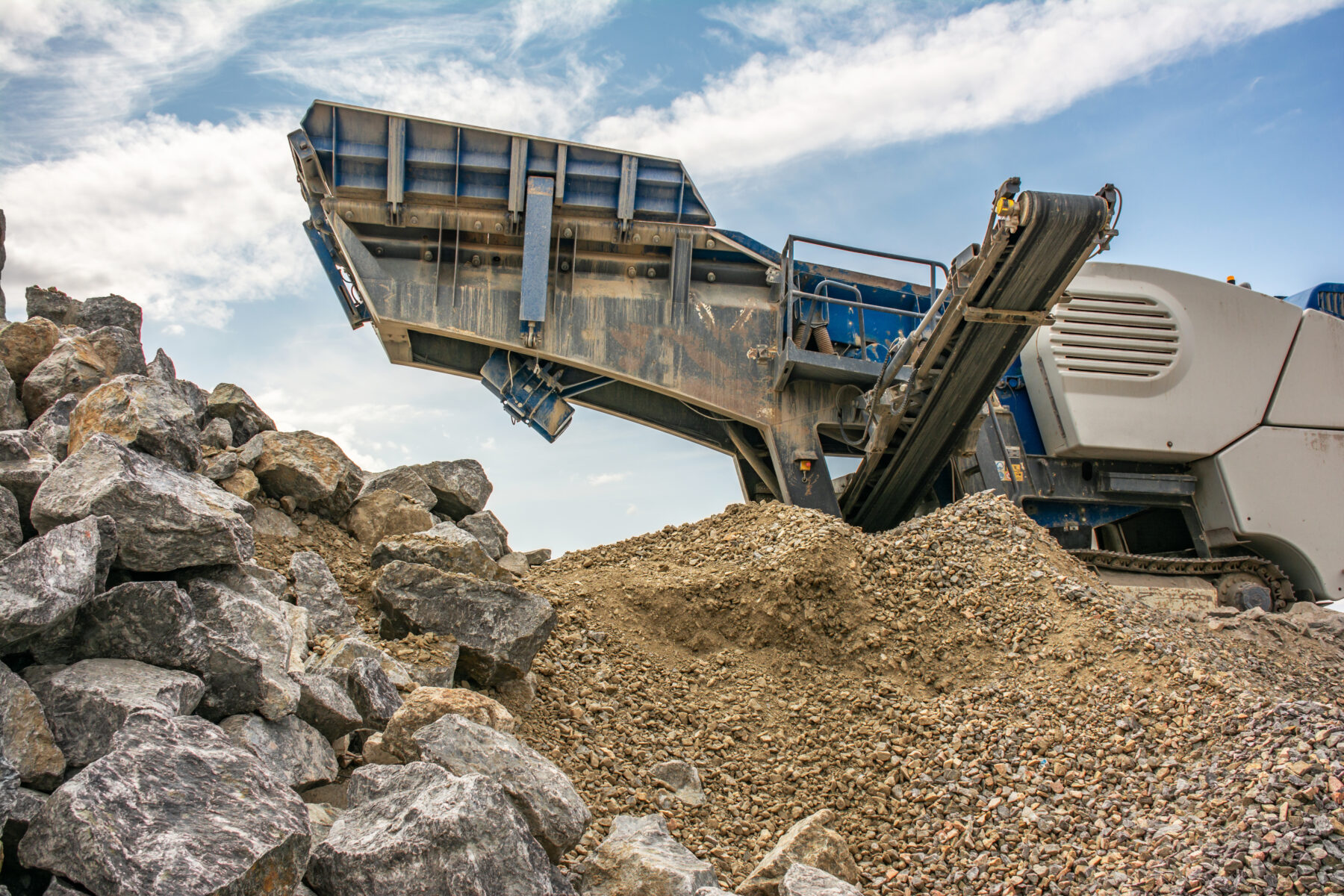
Cities are being reshaped by the demand for greener, more efficient, and more livable spaces. While a lot of attention is placed on visible features such as parks, green roofs, and modern transit systems, the materials that make these spaces possible often remain behind the scenes. Aggregates, in the form of sand, gravel, crushed stone, and specialty blends, are among the most popular. Their versatility and performance help cities balance durability with sustainability, forming the backbone of urban landscapes designed for long-term growth.
Building the Foundation of Resilient Cities
Every road, walkway, and plaza relies on a solid foundation to handle the constant demands of daily life. Aggregates are central to this foundation, offering load-bearing strength that supports concrete, asphalt, and paving systems. In heavily trafficked areas, graded aggregates create base layers that distribute weight evenly and reduce stress on surface materials. This stability extends the life of urban infrastructure, minimizing the frequency of repairs and conserving resources that would otherwise be needed for maintenance and reconstruction. A resilient foundation, built with the right aggregates, leads to lasting performance across an entire city.
Managing Water in Dense Environments
One of the defining challenges of modern urban planning is stormwater management. Traditional hardscapes often leave little room for natural infiltration, leading to runoff that burdens municipal drainage systems. Aggregates provide a practical solution. When used in permeable pavements, bioswales, and infiltration trenches, they allow water to pass through surfaces and return to the soil below. This reduces flooding risk, prevents erosion, and replenishes groundwater reserves. In regions where rainfall is becoming less predictable, aggregate-based systems offer an adaptable strategy that supports both infrastructure and the environment.
Bringing Green Design to Life
Green spaces are now recognized as vital components of healthy cities. From rooftop gardens that reduce heat island effects to community parks that provide areas for recreation, aggregates make these projects possible. Lightweight aggregates are often used in rooftop applications to reduce structural load while promoting proper drainage in planter beds. In ground-level landscapes, aggregates stabilize soil, form durable pathways, and support retaining walls that allow for creative elevation changes. Their role extends beyond function, providing the structural support that enables urban greenery to flourish.
Supporting Sustainable Mobility Systems
As urban centers invest in pedestrian-friendly and low-emission transportation systems, aggregates form the base of these networks. Multi-use trails, bicycle paths, and light-rail systems all depend on carefully engineered aggregate foundations. In rail applications, aggregates absorb vibrations and distribute weight, ensuring smooth and reliable operation. For pedestrian corridors and bike lanes, they provide surfaces that remain level and safe under frequent use. These systems not only improve accessibility but also encourage sustainable alternatives to car-based commuting.
Blending Performance with Environmental Responsibility
Aggregates also support sustainability through their own sourcing and life cycle. Recycled concrete and asphalt aggregates are increasingly being integrated into new construction, reducing reliance on virgin materials and diverting waste from landfills. Advances in processing and screening allow recycled aggregates to achieve the same performance standards as traditional materials, aligning infrastructure development with circular economy practices. Cities that adopt these solutions strengthen their environmental commitments while maintaining cost efficiency.
The value of aggregates is relevant in both their strength and in their adaptability. They provide the support that allows urban environments to balance human activity with ecological responsibility. From stabilizing streets and plazas to enabling stormwater management and green roofs, aggregates shape the way cities look and function. Their role is essential in building sustainable landscapes that are durable, efficient, and ready to meet the challenges of tomorrow.