

The Role of Aggregates in High-Rise Building Stability
October 31, 2025
Urban architecture continues to push the boundaries of what is possible, combining advanced engineering with visionary design to create structures that define modern progress. Yet, behind every landmark tower that shapes a city’s identity lies a foundation built from something far less visible but absolutely essential, aggregates. These materials form the core of concrete and substructure systems that enable high-rise buildings to endure immense weight, environmental pressure, and natural movement over time. Their role in stability begins deep below the surface, establishing the base for strength that lasts for generations.
Building the Foundation for Vertical Strength
Every high-rise begins with a foundation designed to transfer immense loads safely into the earth below. Aggregates make this possible by enhancing the density and compressive strength of the concrete used in foundation mats and pile caps. The balance of coarse and fine aggregates determines how effectively the concrete can resist settlement and distribute stress through deep layers of soil or bedrock. When properly graded and compacted, aggregates create a stable base that reduces the risk of differential movement, one of the most critical factors in maintaining a building’s long-term alignment and safety.
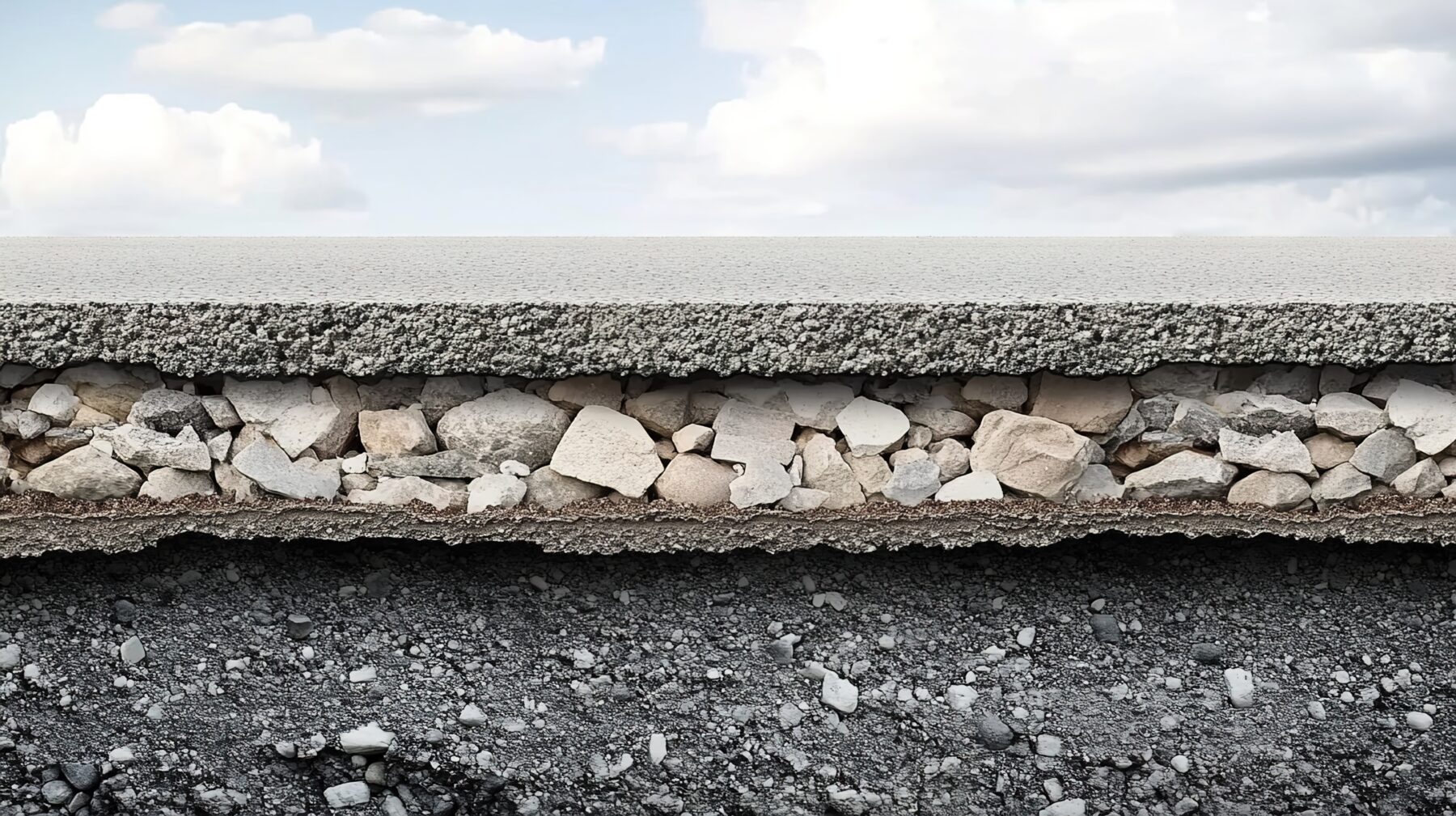
The subbase beneath the foundation is equally vital. Layers of crushed stone and gravel allow for precise leveling and provide a drainage path that prevents hydrostatic pressure from building beneath the structure. This natural filtration system keeps moisture from compromising the concrete, preserving the strength and uniformity of the foundation over decades of use.
Reinforcing Structural Integrity
Beyond the foundation, aggregates influence how concrete performs throughout the building itself. Columns, shear walls, and core slabs rely on concrete mixes engineered for both load-bearing capacity and resistance to cracking. The choice of aggregate type, whether crushed granite for rigidity or limestone for workability, affects not only strength but also the material’s response to stress and temperature changes.
In tall structures where wind sway and seismic activity are significant considerations, aggregate composition becomes a balancing act between stiffness and flexibility. Denser aggregates contribute to mass and stability, while lightweight variants can be used strategically in upper floors to reduce dead load without compromising strength. This versatility allows engineers to tailor the concrete’s performance to the specific structural demands of each section of the building.
Managing Environmental and Load Dynamics
High-rise buildings face constant environmental fluctuations, from temperature shifts to moisture variation. Aggregates play a central role in moderating how concrete responds to these external forces. By maintaining consistent thermal expansion rates and minimizing internal voids, well-graded aggregates reduce the likelihood of cracking caused by thermal stress. In areas exposed to freeze-thaw cycles, durable aggregates with low absorption rates prevent internal damage, ensuring the concrete remains intact and resilient through seasonal changes.
Load distribution also depends heavily on aggregate performance. In composite floor systems, concrete must handle both the dynamic loads of occupancy and the static weight of the structure itself. Aggregates ensure that stress is dispersed evenly, preventing concentration points that could weaken slabs or joints over time. This characteristic directly contributes to occupant safety and long-term structural reliability, particularly in buildings where flexibility and balance are engineered into the design.
Advancing Construction Efficiency and Longevity
Modern high-rise projects depend on precision materials that deliver consistent results. Aggregates sourced and processed to meet exacting specifications allow for predictable behavior during mixing, curing, and placement. The consistency of shape, size, and gradation not only improves the concrete’s workability but also reduces the amount of cement paste required, leading to more sustainable and cost-efficient construction. Over time, this precision translates into fewer maintenance needs and longer service life, aligning with the industry’s focus on durability and resource efficiency.
Aggregates remain a defining element in the advancement of high-rise construction. They transform raw material into lasting structure, translating architectural vision into built reality. As cities reach higher, the precision behind aggregate selection and placement ensures that every new building rises with stability and confidence, supported by the proven strength of the materials that form its core.