
The Role of Specialty Sand in Athletic Fields, Playgrounds, and Equestrian Facilities
August 4, 2026
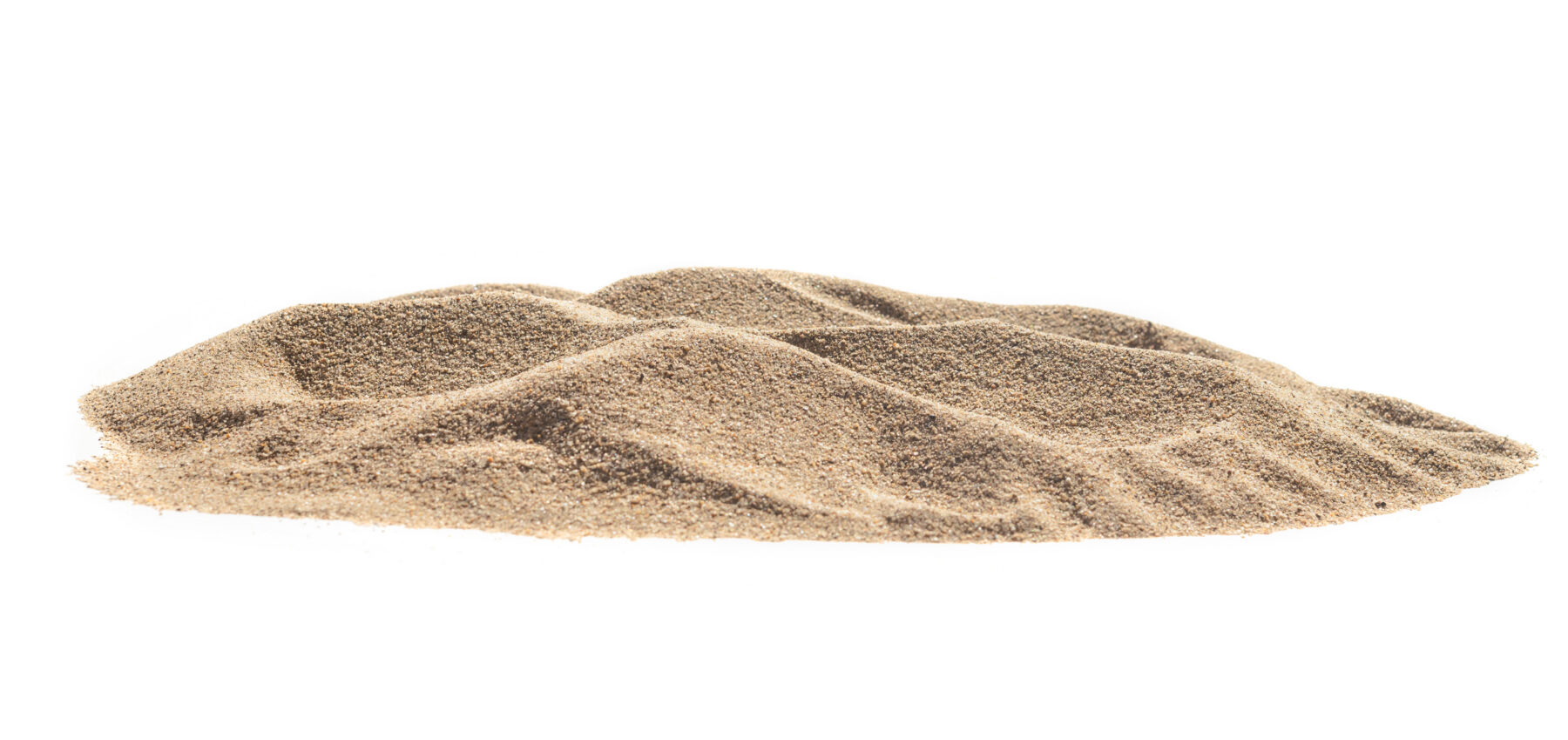
Specialty sand is one of the most important material decisions on any athletic field, playground or equestrian facility project. The right grade drains water efficiently, holds its shape under heavy use and gives turf roots room to establish. The wrong grade compacts over time, holds puddles and turns a well-designed surface into a maintenance problem that is difficult and costly to correct.
Across the Kansas City and Tulsa metros, builders and facility managers rely on sand that meets a specific job, not whatever happens to be closest to the site. Holliday Sand & Stone has supplied that kind of material since 1928, and the difference between a generic pile and a properly graded specialty sand shows up fast once a field, playground or arena goes into use.
What Makes Specialty Sand Different from Fill Sand
Not all sand performs the same way underfoot. Fill sand works fine for backfilling a trench or leveling a pad, but it packs down over time and holds moisture in ways that ruin an athletic surface. Specialty sand gets sorted and washed to hit a tight particle-size range, which controls how it drains, how firm it stays and how well it supports whatever sits on top.
Three properties drive the whole conversation:
· Particle size and gradation. How large the grains run and how uniform they are decides drainage speed and compaction resistance.
· Angularity. Rounded grains shift and lock differently than angular ones, which matters for footing and stability.
· Cleanliness. Washed sand with low silt and clay content drains freely, while dirty sand clogs and holds water.
Get those three right for the application and the surface performs. Miss them and no amount of maintenance fully makes up the difference.
Athletic Field Sand: Drainage, Compaction and Turf Performance
A sports field lives or dies by drainage. When a Kansas City soccer complex hosts back-to-back weekend tournaments, the surface has to shed rain fast enough to keep games on schedule. That is why sand-based and sand-capped fields dominate serious construction.
Sand drains far quicker than native clay soils common across eastern Kansas and western Missouri, which turn greasy and slick when saturated.
The catch is balance. Sand needs to drain well while still holding enough structure for turf roots to anchor and for players to cut and plant without the surface giving way. That points toward a medium, uniformly graded sand, typically in the 0.25 to 1.0 millimeter range, washed clean of fines. Too fine and it compacts and holds water. Too coarse and roots struggle to hold and the surface plays loose.
Compaction resistance matters just as much. Every practice, game and mowing pass presses down on the field. A well-graded athletic sand resists that packing, keeping air and water moving through the root zone season after season. For natural grass fields, that root-zone sand often gets blended to a specification set by a turf agronomist, and consistency from load to load keeps the whole system performing the way it was designed.
Playground Sand: Safety, Particle Size and Compliance
Playground sand answers to a different priority: keeping kids safe when they fall. That changes what the material needs to do. Play sand used as a protective surface under swings and climbers has to cushion impact. It needs enough depth and the right particle size to absorb a fall rather than pack into something closer to concrete. Sand meant for play areas should be clean, washed and free of sharp debris, rocks and organic material that could cut or irritate. Rounded, uniform grains feel better in small hands and resist the hard packing that flattens cushioning over time.
Facility managers building public playgrounds around Kansas City and Tulsa also work within safety expectations tied to fall height and surfacing depth. Standards like ASTM F1292 and the guidelines from the U.S. Consumer Product Safety Commission set the bar for how a loose-fill surface should perform under impact. Meeting those numbers starts with the right sand and enough of it. A thin layer of the wrong material offers little protection no matter how good it looks on day one.
Dust and cleanliness round out the picture. Washed play sand cuts down on the fine dust that irritates eyes and lungs, and it drains after rain instead of sitting in a soggy pit. That keeps the area usable and easier to maintain across a long season of heavy use.
Equestrian Footing: Cushion, Drainage and Dust Control
Horse arenas ask more from sand than almost any other application. Footing carries the weight of a 1,000-pound animal moving at speed, and it has to protect joints and tendons through every stride. Get it wrong and you risk both the horse and the rider.
Good equestrian footing strikes a balance between cushion and support. It needs enough give to absorb concussion, enough firmness to push off from and enough stability to stay consistent as horses work the same lines over and over. That usually calls for a sub-angular, medium-grained sand. Fully rounded grains shift too much and slide underfoot, while sharp angular grains break down fast and turn to dust. The particles have to grip each other without locking into a hard, unforgiving base.
Drainage keeps an arena rideable. Outdoor rings across Kansas, Missouri and Oklahoma take on plenty of rain, and footing that drains well dries faster and stays consistent instead of turning to mud in one spot and dust in another. Many arena builders layer washed, graded sand over a base designed to move water away from the surface.
Then there is dust. Fine particles kick up under hoofbeats, irritate horse and rider airways and force constant watering. Clean, properly graded sand with minimal fines keeps dust down from the start, which means less water, less maintenance and a healthier place to ride. Many facilities blend in fiber or other additives, but it all begins with a sound sand base.
Matching the Sand to the Job in the Kansas City and Tulsa Region
The thread running through all three uses is the same: the sand has to match the job. A field, a playground and an arena each need their own gradation, cleanliness and grain shape, and a material that shines in one can fail in another. That is why guessing rarely pays off.
Local supply matters here too. Sourcing specialty sand from plants across the Kansas City and Tulsa metros keeps freight costs down and delivery times short, which counts on a large project moving hundreds of tons. Holliday Sand & Stone operates sand plants throughout both markets and washes and grades material to consistent specifications, so a load delivered in week one matches the load that arrives in week six. On surfaces where uniformity decides performance, that consistency does real work.
Building Surfaces That Last
Athletic fields, playgrounds and equestrian arenas all trace their performance back to the same foundation. The sand under the surface decides how the finished space drains, holds up and feels to the people, and animals, using it. Choosing the right specialty sand up front costs far less than reworking a surface that never played the way it should.
For contractors, facility managers and property owners across Kansas, Missouri and Oklahoma, working with a supplier who understands these differences takes the
guesswork out of the equation. Holliday Sand & Stone has spent nearly a century supplying the region’s builders, and matching the right sand to the right project is exactly the kind of work that reputation was built on. Reach out to the Holliday team to talk through the material your next field, playground or arena calls for.